El nino, Climate Change and Human Rights
| AT A GLANCE El Niño is a natural Pacific Ocean warming cycle that — when layered on top of decades of human-caused climate change — is supercharging heatwaves, droughts, floods, and food crises worldwide. These are not just environmental statistics. They are human rights violations. The right to life, health, food, water, and an adequate standard of living are enshrined in international law — yet rising temperatures are eroding all of them. This article explains the science, the rights at stake, who is most affected, and what is being done to protect people. |
Table of Contents
- What Is El Niño — and Why Does It Matter Right Now?
- How Climate Change and El Niño Are Making Heatwaves Worse
- Climate Change as a Human Rights Issue: The Legal Framework
- Which Human Rights Are Being Violated — and How?
- Who Is Most at Risk? Vulnerable Groups and Frontline Communities
- The Global Picture: Where the Crisis Is Hitting Hardest
- What International Bodies and Governments Are Doing
- Positive Solutions: Protecting Rights Through Climate Action
- Common Misconceptions About El Niño and Climate Change
- Expert Voices and Authoritative References
- Frequently Asked Questions
- Conclusion: Climate Justice Is Human Rights Justice
1. What Is El Niño — and Why Does It Matter Right Now?
Every few years, the tropical Pacific Ocean shifts. The trade winds that normally push warm surface water westward weaken or reverse, allowing a massive pool of warm water to surge back toward South America. This phenomenon — El Niño — sets off a chain reaction in the global atmosphere that reshapes rainfall, temperature, and weather patterns across every continent.
El Niño vs. La Niña vs. ENSO: What Is the Difference?
El Niño, La Niña, and the neutral phase together form what scientists call the El Niño–Southern Oscillation (ENSO) — the most powerful natural climate driver on Earth. La Niña is the cool counterpart to El Niño, bringing its own set of weather disruptions, including heightened hurricane activity and intensified monsoons. Together, the ENSO cycle influences agricultural yields, water availability, and disaster risk for billions of people.
| EL NIÑO | Warm phase: Pacific surface waters warmer than average. Drives global heatwaves, droughts in Asia/Africa, floods in South America. |
| LA NIÑA | Cool phase: Pacific surface waters cooler than average. Brings heavier rainfall in some regions; increased cyclone risk in others. |
| NEUTRAL | Neither warm nor cool. Weather patterns closer to historical averages, though climate change means even neutral years are warmer than past decades. |
2. How Climate Change and El Niño Are Making Heatwaves Worse
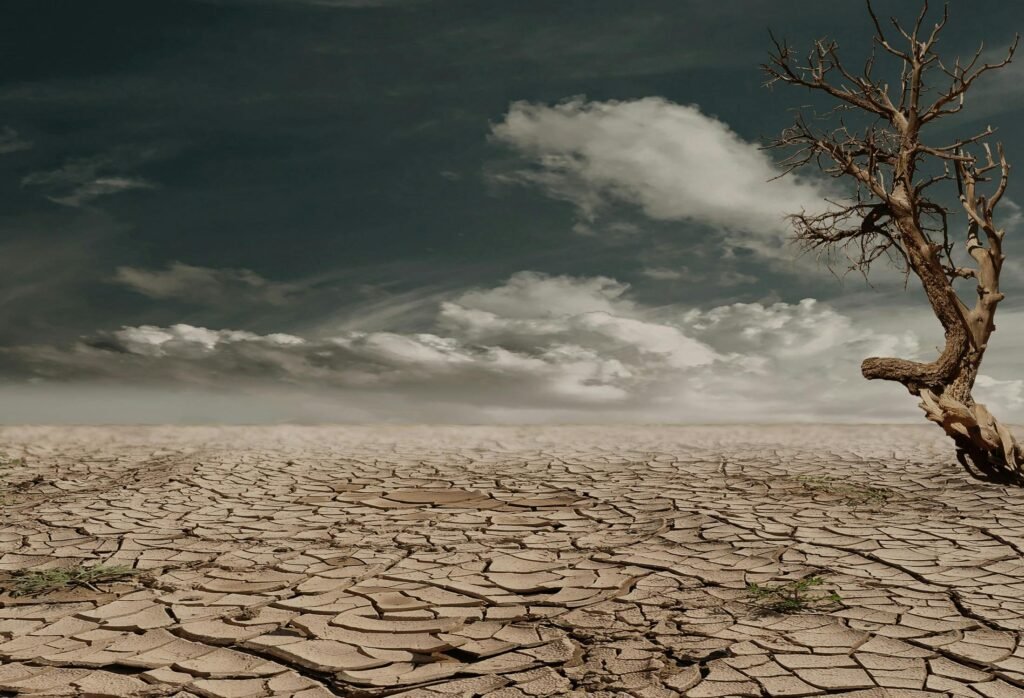
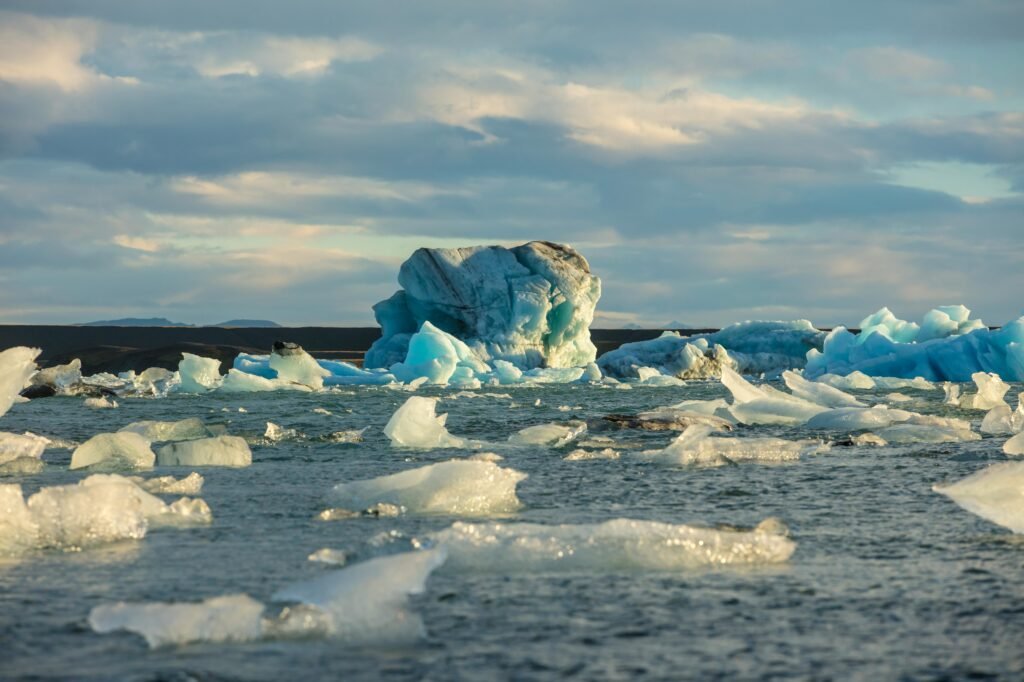
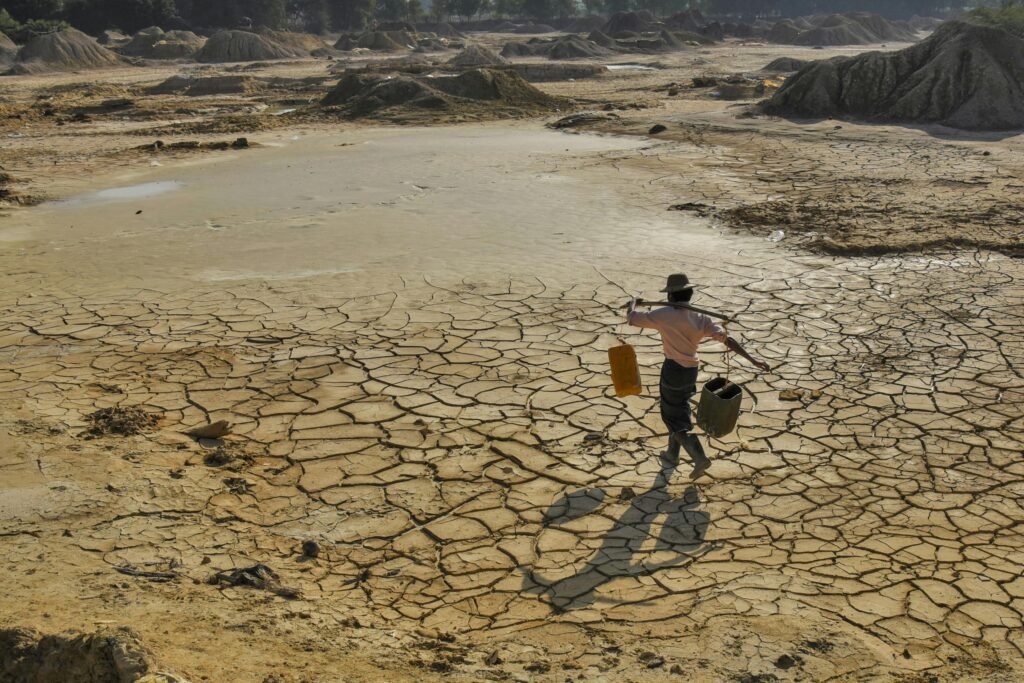
When people ask why summers are getting so much hotter, the answer lies in two forces acting together. The first is long-term climate change — the gradual, human-driven warming of the planet caused by burning fossil fuels, deforestation, and industrial agriculture. The second is El Niño — the periodic but powerful natural warming of the Pacific that temporarily spikes global temperatures even further.
Think of it this way: climate change raises the floor. El Niño raises the ceiling. Together, they push extreme heat to levels that would have been virtually impossible without human interference in the climate system.
“The probability of record-breaking heat during an El Niño year has increased dramatically due to climate change. What was once a one-in-50-year heat event is now expected once a decade in many regions.” — World Meteorological Organization (WMO), 2023
The 2023–2024 El Niño event pushed global average temperatures above 1.5°C over the pre-industrial baseline for the first time in recorded history — temporarily crossing the threshold that the Paris Agreement sought to prevent. Every month from June to December 2023 set a new global temperature record, according to the Copernicus Climate Change Service (C3S). These are not abstract statistics: they translate directly into human suffering, death, and the erosion of fundamental rights.
The Urban Heat Island Effect: Compounding Danger for City Dwellers
In cities — where more than half of the world’s population now lives — the danger is compounded by the urban heat island effect. Concrete, asphalt, and reduced green space cause cities to absorb and retain heat, making urban temperatures significantly higher than surrounding rural areas. For the urban poor who live in overcrowded housing without air conditioning, a heatwave can become a life-threatening emergency within hours.
Climate change is increasingly recognised not merely as an environmental problem, but as a fundamental human rights crisis. This recognition has moved from academic debate into hard international law. In July 2022, the United Nations General Assembly formally declared access to a clean, healthy, and sustainable environment a universal human right — a landmark resolution supported by 161 countries.
The UN Human Rights Council, the Office of the United Nations High Commissioner for Human Rights (OHCHR), and numerous treaty bodies have affirmed that climate change threatens the full enjoyment of a wide range of rights protected under existing international law — including the International Covenant on Civil and Political Rights (ICCPR) and the International Covenant on Economic, Social and Cultural Rights (ICESCR).
Key Instruments Recognising Climate and Human Rights Linkages:
- Universal Declaration of Human Rights (UDHR), 1948 — Articles 3 (life), 25 (health and adequate standard of living)
- International Covenant on Economic, Social and Cultural Rights (ICESCR) — rights to health, food, water, and housing
- UN General Assembly Resolution 76/300 (2022) — right to a clean, healthy, and sustainable environment
- Paris Agreement (2015) — acknowledges the human rights obligations of Parties when taking climate action
- UNHRC Resolution 41/21 — recognises that climate change interferes with the enjoyment of human rights
4. Which Human Rights Are Being Violated — and How?
When a heatwave kills an elderly person in their home, it is not only a tragedy — it is a failure to uphold the right to life. When a drought caused by El Niño forces a family to go hungry, the right to food is being denied. The connections between climate change, El Niño-driven extreme weather, and human rights violations are direct, documented, and increasingly undeniable.
| RIGHT TO LIFE Article 6, ICCPR | Heatwaves are among the deadliest natural hazards. The European heatwave of 2003 caused an estimated 70,000 excess deaths. The 2021 heat dome in North America killed over 1,400 people in just one week. Rising temperatures directly threaten the right to life — particularly for the elderly and those with pre-existing health conditions. |
| RIGHT TO HEALTH ICESCR Art. 12 | Extreme heat causes heat stroke, heart and respiratory failure, and worsens mental health. It also expands the range of vector-borne diseases such as malaria and dengue fever into regions previously spared. The World Health Organization estimates that climate change will cause approximately 250,000 additional deaths per year between 2030 and 2050. |
| RIGHT TO FOOD ICESCR Art. 11 | El Niño–driven droughts and floods devastate harvests. In 2015–2016, the El Niño event contributed to food crises affecting over 60 million people across East Africa, South Asia, and Central America. Climate-related crop failures are pushing food prices higher and deepening hunger, particularly in already food-insecure nations. |
| RIGHT TO WATER UN General Comment 15 | Changing precipitation patterns, glacial retreat, and intensified drought — all worsened by El Niño and climate change — are reducing freshwater availability. Over two billion people already face water scarcity, a figure the UN projects will worsen significantly without urgent climate action. |
| RIGHT TO HOUSING ICESCR Art. 11 | Extreme heat renders inadequate housing — those without ventilation, insulation, or access to cooling — dangerous and potentially lethal. Climate-related flooding and wildfires are also destroying homes and displacing communities, violating the right to adequate and secure housing. |
| RIGHT TO DEVELOPMENT | The UN Declaration on the Right to Development recognises every person’s right to participate in and benefit from economic, social, and cultural development. Climate change and El Niño-driven disasters disproportionately set back development in the Global South, widening inequality and entrenching poverty. |
5. Who Is Most at Risk? Vulnerable Groups and Frontline Communities
Climate change and El Niño do not affect everyone equally. Those with the least political power, the fewest economic resources, and the most exposure to the outdoors bear the heaviest burden — even though they have contributed least to the greenhouse gas emissions driving the crisis.
The Elderly
Older adults are physiologically more vulnerable to heat stress. Their bodies are less effective at regulating temperature, and many have cardiovascular or respiratory conditions that extreme heat worsens. Mortality data from every major heatwave confirms that the elderly account for the majority of heat-related deaths.
Women and Girls
Women — particularly in low-income rural communities — often bear primary responsibility for collecting water and food. When droughts or floods disrupt these resources, women and girls travel further, spend more time in dangerous heat, and face increased risks of violence and exploitation. Girls are also disproportionately likely to be pulled out of school during climate-related crises.
Outdoor and Informal Workers
Construction workers, agricultural labourers, street vendors, and others who work outdoors or in poorly ventilated spaces face direct and severe occupational heat exposure. The International Labour Organization (ILO) estimates that productivity losses from heat stress at work cost the global economy trillions of dollars annually and that low-income countries bear the greatest share.
Indigenous Communities
Indigenous peoples often have deep connections to land, water, and ecosystems that are being transformed by climate change. Changes in rainfall, temperature, and seasonal patterns disrupt traditional livelihoods, food practices, and cultural ties to land — threatening not only physical survival but cultural identity and self-determination.
Small Island Developing States (SIDS) and Coastal Communities
Communities in the Pacific, Indian Ocean, and Caribbean face the compound threat of rising seas, stronger storms, and El Niño-related disruptions to rainfall and fishing. For some island nations, climate change is an existential threat — not just to livelihoods, but to the physical survival of the nation itself.
6. The Global Picture: Where the Climate and Human Rights Crisis Is Hitting Hardest
South Asia
India, Pakistan, Bangladesh, and neighbouring countries have experienced record-breaking heat events with increasing frequency. In April–May 2022, temperatures in India and Pakistan reached 49–51°C — some of the highest reliably recorded in the region’s history. Hundreds of millions of people were exposed to dangerous heat, with the most severe impacts on outdoor workers, urban slum dwellers, and rural communities.
Sub-Saharan Africa
Across the Sahel, East Africa, and Southern Africa, El Niño has repeatedly caused severe droughts that devastate harvests and water supplies. The 2015–2016 El Niño triggered food crises for over 20 million people in Southern and Eastern Africa alone. These events intersect with existing poverty, weak infrastructure, and limited healthcare access to produce compounding human rights emergencies.
Southeast Asia and the Pacific
Indonesia, the Philippines, Papua New Guinea, and Pacific island nations face the dual threat of El Niño-driven droughts and the longer-term sea-level rise and coral reef degradation caused by climate change. For fishing communities dependent on healthy reefs, ocean warming is an immediate economic and food security crisis.
Latin America
The Amazon basin — the world’s largest tropical rainforest — is under intensifying pressure from climate change and land-use change. El Niño-driven droughts reduce the Amazon’s capacity to absorb carbon, potentially turning parts of it from a carbon sink into a carbon source — a tipping point with global consequences. Communities in the region also face direct threats to water supplies and food security.
The Middle East and North Africa (MENA)
Already one of the world’s hottest and driest regions, the Middle East is experiencing accelerated warming. Studies suggest parts of the Gulf region could experience heat and humidity conditions that exceed the physiological limits of human tolerance by mid-century, making some areas potentially uninhabitable during peak summer months without artificial cooling.
7. What International Bodies and Governments Are Doing
Awareness of the climate-human rights nexus is rapidly translating into policy, legal frameworks, and practical action at international and national levels.
The United Nations System
- The OHCHR has published detailed reports on climate change and human rights, calling on states to ensure that climate actions are themselves human rights-compliant
- The UN Special Rapporteur on Human Rights and the Environment regularly reports on climate-related rights violations and urges binding commitments
- The UN Framework Convention on Climate Change (UNFCCC) now formally integrates human rights language into its guidance for national climate plans
The Paris Agreement and Nationally Determined Contributions (NDCs)
The Paris Agreement — ratified by 195 nations — explicitly references human rights in its preamble, committing Parties to respect, promote, and consider human rights obligations when taking climate action. Each country’s Nationally Determined Contribution (NDC) is its climate action plan. The quality and ambition of these plans directly determines how many rights violations from climate change can be prevented.
The Loss and Damage Fund
A landmark outcome of COP28 in Dubai in December 2023 was the formal operationalisation of a Loss and Damage Fund — a financial mechanism to support countries that are already suffering losses and damages from climate impacts they did not cause. This represents a major step toward climate justice and the recognition of historical responsibility for the rights harms caused by emissions.
8. Positive Solutions: Protecting Human Rights Through Climate Action
There is no shortage of viable, evidence-based solutions to the climate and human rights crisis. The challenge is scale and speed — ensuring that solutions reach those who need them most, fast enough to matter.
Heat Action Plans That Centre Human Rights
Ahmedabad, India, pioneered one of the world’s first city-level Heat Action Plans in 2013, which measurably reduced heat-related mortality. These plans — now being adopted in cities across Asia, Europe, and Africa — combine early warning systems, public cooling centres, worker protections, and community health outreach. When designed through a human rights lens, they prioritise the most vulnerable, ensure equitable access to cooling, and include worker rights protections.
Climate-Smart Agriculture and Food Rights
Drought-resistant crop varieties, precision irrigation, and ENSO-informed planting calendars are helping farming communities adapt. The UN Food and Agriculture Organization (FAO) and WFP use El Niño forecasts to pre-position food aid before predicted droughts hit, enabling rights-protective anticipatory action. Supporting smallholder farmers — particularly women farmers — with both technology and land rights is essential to food security.
Renewable Energy as a Rights Enabler
Transitioning from fossil fuels to renewable energy sources — solar, wind, and green hydrogen — is the most powerful tool available to slow climate change and reduce El Niño amplification over the long term. Critically, clean energy access is itself a rights enabler: reliable, affordable electricity supports healthcare, education, and economic opportunity. The International Renewable Energy Agency (IRENA) reports that the cost of solar energy has fallen by over 89% since 2010, making clean energy accessible to more of the world than ever before.
Climate Litigation: Rights-Based Legal Action
A powerful and growing force for climate accountability is rights-based litigation. Courts in the Netherlands, Germany, the United Kingdom, and Colombia have ruled that governments have legal obligations to protect their citizens from climate harm. In 2023, the International Court of Justice (ICJ) began proceedings on a landmark advisory opinion on the obligations of states under international law with respect to climate change — a case that could reshape the relationship between climate policy and human rights law globally.
Indigenous Knowledge and Community-Led Adaptation
Indigenous communities across the world hold sophisticated, place-based knowledge of ecosystems, water cycles, and seasonal patterns that has guided sustainable land management for generations. Integrating indigenous knowledge into formal climate adaptation planning — while protecting indigenous land rights and self-determination — produces more effective and rights-respecting outcomes.
Step-by-Step: What You Can Do
- Stay informed — follow WMO, IPCC, and OHCHR updates on climate and human rights
- Know your rights — familiarise yourself with the right to a healthy environment under international and national law
- Advocate locally — engage with municipal authorities on Heat Action Plans and green infrastructure
- Support climate justice organisations working with frontline communities
- Reduce your carbon footprint — sustainable energy, diet, and transport choices collectively matter
- Engage your elected representatives — demand ambitious nationally determined contributions and climate finance
9. Common Misconceptions About El Niño, Heatwaves, and Human Rights
| MYTH ✗ | El Niño causes climate change. FACT: El Niño is a natural, recurring climate cycle that has existed for millennia. Climate change is a human-driven, long-term trend. El Niño amplifies warming caused by greenhouse gases — it does not create it. |
| MYTH ✗ | Heatwaves are just normal summer weather. FACT: The frequency, duration, and intensity of heatwaves are increasing measurably due to climate change. Events that once occurred once per generation now occur several times per decade in many regions. |
| MYTH ✗ | Climate change is a distant, future problem. FACT: The human rights impacts of climate change are happening now — in every region of the world — through more frequent heatwaves, food insecurity, water stress, and displacement. |
| MYTH ✗ | Human rights law does not apply to climate change. FACT: Multiple UN bodies, international courts, and treaty mechanisms have confirmed that states have human rights obligations in the context of climate change, including duties to mitigate, adapt, and provide remedy. |
| MYTH ✗ | Only developing countries are affected. FACT: Climate change and El Niño-driven heatwaves affect all countries — wealthy nations have experienced record-breaking heat events, excess deaths, and infrastructure stress. Vulnerability differs by wealth, not geography alone. |
Professor Philip Alston, former UN Special Rapporteur on Extreme Poverty and Human Rights, has written extensively on climate change as the “single greatest threat to human rights” of the 21st century. His landmark 2019 report to the UN Human Rights Council warned that without urgent action, climate change could push over 120 million people into poverty by 2030 and undermine decades of human rights progress.
- IPCC Sixth Assessment Report (AR6), 2021–2022 — the definitive scientific review of climate change, its impacts, and response options (ipcc.ch)
- OHCHR Report: Understanding Human Rights and Climate Change (2015) — foundational document establishing the rights-climate nexus
- Sarat, A. (Ed.) — Climate Change, Justice and Human Rights (Cambridge University Press) — peer-reviewed academic analysis of the legal and ethical dimensions
- World Meteorological Organization (WMO) — State of the Global Climate 2023 (public report, wmo.int)
- Caney, S. — Justice Beyond Borders: A Global Political Theory (Oxford University Press) — foundational text on global justice and climate obligations
10. Frequently Asked Questions About Climate Change, El Niño, and Human Rights
| Q: What is El Niño and how does it affect human rights? |
| A: El Niño is a periodic warming of Pacific Ocean surface waters that disrupts global weather patterns, causing droughts, floods, and heatwaves. These events threaten the human rights to life, health, food, water, and adequate housing — particularly for the world’s most vulnerable communities. |
| Q: Is climate change a human rights issue? |
| A: Yes. The United Nations, international courts, and human rights treaty bodies have all confirmed that climate change threatens the enjoyment of a wide range of internationally recognised human rights. In 2022, the UN General Assembly declared the right to a clean, healthy, and sustainable environment a universal human right. |
| Q: Why are heatwaves becoming more frequent and deadly? |
| A: Long-term climate change caused by greenhouse gas emissions has raised the global temperature baseline. When El Niño adds additional warming on top of this higher baseline, heatwaves reach more extreme temperatures, last longer, and cover wider areas than historical records would suggest as natural. The result is more frequent and more deadly extreme heat events. |
| Q: Which human rights are most affected by climate change and El Niño? |
| A: The most directly impacted rights include the right to life, the right to the highest attainable standard of health, the right to food, the right to safe drinking water, the right to adequate housing, and the right to development. Indigenous peoples’ rights, children’s rights, and women’s rights are also disproportionately affected. |
| Q: Who is most vulnerable to El Niño-related heatwaves? |
| A: The most vulnerable groups include the elderly, young children, outdoor and informal sector workers, people with chronic illnesses, women and girls in low-income communities, indigenous peoples, and residents of small island developing states. Urban populations living without access to cooling are also at severe risk. |
| Q: What can governments do to protect human rights from climate change? |
| A: Governments can set and implement ambitious emission reduction targets, invest in renewable energy, develop and fund Heat Action Plans, ensure equitable access to cooling, strengthen early warning systems, protect outdoor workers’ rights, reform food systems, and ensure climate finance reaches the communities that need it most. |
| Q: What is the Loss and Damage Fund and why does it matter for human rights? |
| A: The Loss and Damage Fund, established at COP28 in 2023, is a financial mechanism to support countries experiencing climate harm they did not cause. It represents a step toward climate justice — acknowledging the historical responsibility of high-emitting nations and providing resources for affected communities to rebuild and recover, in line with human rights principles. |
| Q: How can ordinary people help address the climate and human rights crisis? |
| A: Individuals can reduce their personal carbon footprints, advocate for ambitious climate policy, support climate justice organisations, participate in community adaptation initiatives, stay informed through reliable sources, and hold elected representatives accountable for climate commitments. |
11. Conclusion: Climate Justice Is Human Rights Justice
El Niño, heatwaves, and climate change are not separate issues — they are interconnected forces that together constitute one of the most profound human rights challenges of our time. The science is clear: rising greenhouse gas concentrations are warming the planet, intensifying natural climate cycles like El Niño, and making extreme heat events more frequent, longer, and more deadly.
The human cost is already being counted — in lives lost to heatstroke, in harvests destroyed by drought, in communities displaced by floods, and in futures constrained by poverty that extreme weather deepens. These are not abstract risks. They are violations of rights that every person on this planet is entitled to under international law.
The good news is that solutions exist. Renewable energy, climate-smart agriculture, rights-centred Heat Action Plans, climate litigation, and strengthened international cooperation are all producing results. What is needed now is greater ambition, greater equity, and greater urgency — ensuring that those who have contributed least to the climate crisis are the first, not the last, to be protected from its consequences.
Understanding the connection between climate change, El Niño, heatwaves, and human rights is not merely an academic exercise. It is the foundation for informed advocacy, constructive policy, and meaningful solidarity with the communities on the frontlines of a crisis that belongs to all of us.
Climate justice is not a niche cause — it is the defining human rights struggle of the 21st century.
| 📚 Explore More on rightsrecall.com → The Paris Agreement Explained: Commitments, Progress & Challenges → The Right to a Clean Environment: International Law & Your Rights → Climate Change and Food Security: A Human Rights Perspective → Indigenous Peoples and Climate Change: Rights on the Frontline → Gender and Climate Justice: Women’s Rights in a Warming World |
© 2026 RightsRecall.com — All Rights Reserved
Content is published for informational and awareness purposes. For legal advice on climate-related human rights, consult a qualified international human rights lawyer.
Related posts:
 Rights of People to Exist: Meaning, Theories, Discourse and International Legal Frameworks
 The Right to Freedom of Religion: Global Significance, Laws, and Future Challenges
 International Peace and Security Under the UN Charter: Promises, Progress, and the Path Forward
 Iran Israel Conflict: Complete Timeline, Wars, Agreements & Path to Peace
 Human Rights in the Age of AI: Policies and Politics
Religious Freedom in India: Constitutional Rights and Democratic Prospects
Human Rights in the Age of AI: Policies and Politics
Religious Freedom in India: Constitutional Rights and Democratic Prospects